What sleep problems happen when you travel and how do you fix them?
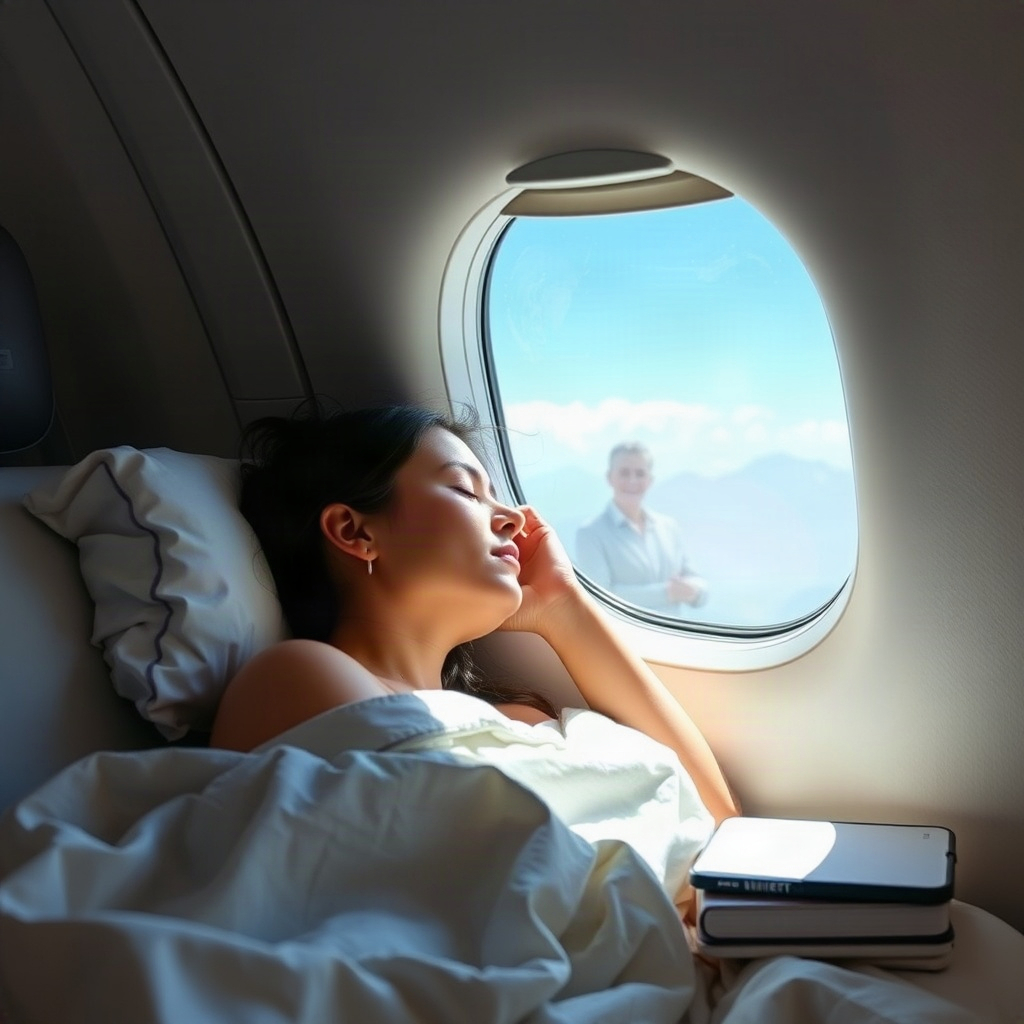
Jet lag and time zone changes
Sleep trouble after flying happens because your body clock doesn't match local time. Light exposure matters most—get bright light in the morning at your destination if traveling east, or evening light if traveling west. This nudges your body clock faster than any pill or supplement.
For the first few nights, accept you might sleep poorly and don't panic about it. One bad night doesn't ruin a trip. Avoid sleeping pills if possible; they can worsen adjustment and create dependence during travel.
Environmental factors in your room
Noise, light, and temperature wreck sleep more than jet lag. Before booking, ask about noise levels and check if windows darken. Bring earplugs and a travel eye mask—these cost almost nothing and work everywhere. Adjust temperature if possible; most people sleep better cool.
Routine matters more than you think
Your body knows "bedtime" by what happens before sleep—not the location. Recreate one small ritual: tea, reading, or a short walk. This signals sleep time to your nervous system regardless of where you are.
When nothing works
Some poor sleep is normal when traveling. One restless night won't harm you, despite how it feels. Focus on what's actually in your control: darkness, quiet, cool temperature, and a consistent pre-sleep routine. Accept that adjustment takes 3-5 days.